Sensors are indispensable for the industrial automation of plants and machinery in a wide range of industries and applications, from manufacturing to logistics.
Manufacturing industry applications include factory automation of automotive and electronics plants; food & beverage, pharmaceutical, chemical goods processing and packaging machines; up to almost any machinery used in woodworking, metalworking, textile, ceramic, glass, stones, paper, etc.
Logistics applications are diffused in automated material handling, conveyors, storage and retrieval systems, automated warehouses, transportation systems, and distribution centers.
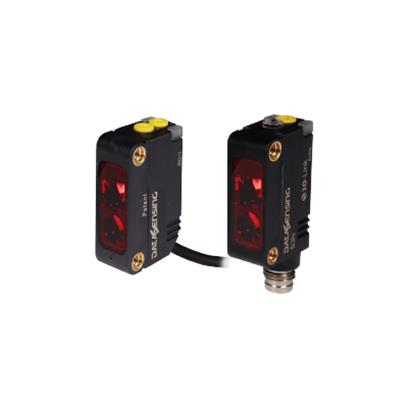
Photoelectric sensors are devices that use the emission and reception of light to detect the presence of objects or their parts, inspect their integrity or correct assembly, measure their dimensions, distance or correct positioning.
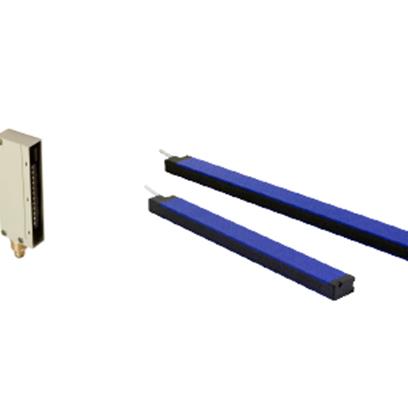
In this regard, they can be distinguished in a great variety of sensors: thru-beam emitters and receivers, or retro-reflective units; diffuse, fix focus and background suppression; fiber optics amplifiers; fork sensors; contrast, color, and luminescence sensors; distance or dimensional sensors; vision sensors.
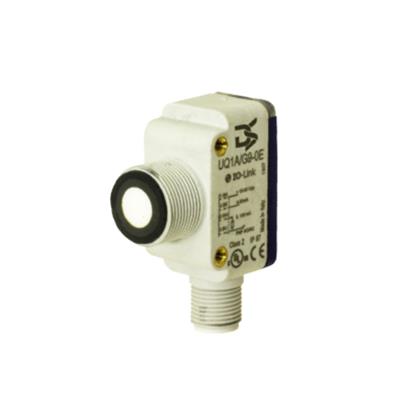
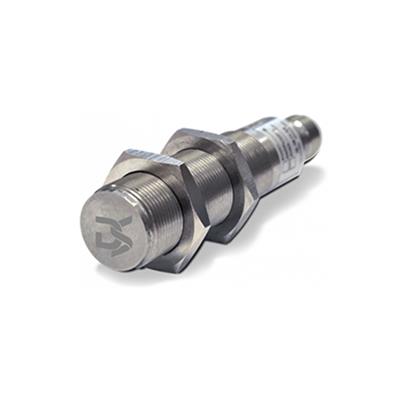
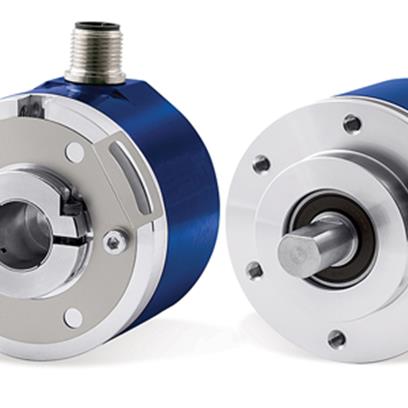
Micron Technologies smart photoelectric sensors, together with complementary products like inductive proximity, ultrasonic sensor, optical encoders, and accessories allow companies to enhance their manufacturing and logistics processes.
Whether you need to implement detection, inspection, or measuring applications for your production or distribution of any type of goods, or you want to improve your processes according to the new paradigms of digital manufacturing, sensors are an essential element of your automation. Applications are innumerable, constantly evolving, and cannot be summarized in a few lines. However, the following examples can give an idea of the unlimited potential of sensors:
Introducing sensors into your automation, instead of standard sensors, means adapting production and logistics processes to the latest digital transformation requirements.
Main common benefits are improved productivity and efficiency, more flexibility and traceability, increased profitability in terms of total cost of ownership and time savings, thanks to the following advantages:
With over 25 years of expertise, Micron Technologies specializes in delivering end-to-end industrial automation solutions across diverse manufacturing sectors.